
Probation & Parole Violations

A probation or parole violation allegation can result in the reinstatement of an original sentence. These hearings move quickly and deserve immediate attention.

The detainer is the emergency

The first crisis in most violation cases is not the hearing — it is the detainer. When a violation is alleged, the probation department or Parole Board lodges a detainer that holds the person in custody regardless of bail on any new charge. People routinely post bail on a new case and remain in jail anyway. Getting the detainer lifted — at the Gagnon I hearing or by motion to the supervising judge — is typically the most urgent work in the case, and it is where early representation earns its keep.

Gagnon I and Gagnon II

Violation proceedings run in two stages. Gagnon I is a prompt preliminary hearing: whether there is probable cause that a violation occurred and whether the detainer should hold. Gagnon II is the final hearing before the judge, where the Commonwealth must prove the violation by a preponderance of the evidence — a lower standard than trial, with hearsay more freely admitted — and the judge decides whether to continue, modify, or revoke supervision. Counsel is provided as of right, evidence can be presented and challenged, and in new-conviction cases the real fight is usually over the disposition rather than the violation itself.

Technical violations after Act 44 — the rules changed

Pennsylvania's 2023 probation reform changed the landscape for technical violations — missed appointments, failed screens, unpaid costs. There is now a statutory presumption against confinement for most technical violations, with jail capped at 14 days for a first violation and 30 for a second. Exceptions exist — absconding, weapons- or sexual-conduct-related violations, repeated program failures, or an identifiable threat to public safety — and a new conviction remains full-exposure: the court can resentence up to the original maximum. Because courts are still adjusting to this framework, invoking the presumptions and caps explicitly, on the record, matters.

State parole runs on its own track: technical violators face capped recommitments with presumptive reparole, while convicted violators can forfeit their street time — the time spent at liberty on parole — extending the sentence's end date. Every recalculation order deserves a check; credit errors are common and appealable.
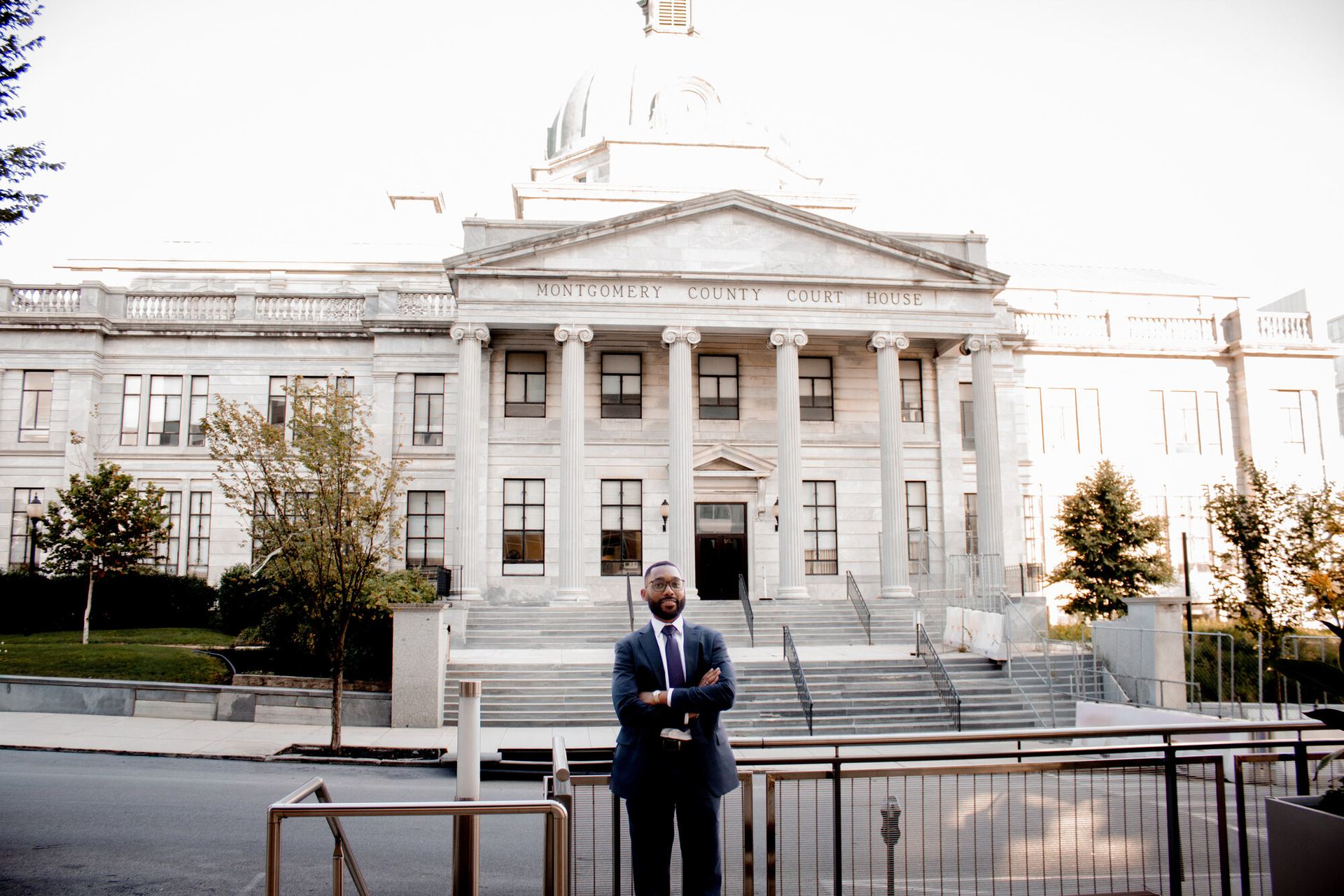
Attorney Prince Charles Yakubu

Common Questions

What happens at a Gagnon hearing?

There are two. Gagnon I is a prompt preliminary hearing where a neutral decision-maker finds whether there is probable cause that a violation occurred and whether a detainer keeps the person in custody. Gagnon II is the final hearing: the Commonwealth must prove the violation by a preponderance of the evidence, and the judge decides whether to continue, modify, or revoke supervision.

What is the difference between a technical violation and a new-charge violation?

A technical violation breaks a condition of supervision — missed appointments, failed drug tests, unpaid costs — without a new conviction. A direct violation is a conviction for a new offense. The difference now controls outcomes: Pennsylvania's Act 44 presumes against jailing technical violators and caps confinement, while a new conviction exposes a probationer to resentencing up to the original maximum.

Can I still be jailed for a technical violation?

Yes, but the law now limits it. For most technical violations there is a presumption against confinement, with jail capped at 14 days for a first violation and 30 for a second. Exceptions apply — absconding, weapons- or sexual-conduct-related violations, repeated program failures, or a finding of an identifiable threat to public safety — and a third violation removes the caps.

I posted bail on my new case — why am I still in jail?

Almost certainly a probation or parole detainer. A detainer is a separate hold lodged by the supervising authority, and bail on the new charge does not release it. Getting the detainer lifted — at a Gagnon I hearing, by motion to the supervising judge, or through the Parole Board for state cases — is typically the most urgent step in any violation case.

This page provides general information about Pennsylvania law. It is not legal advice, and reading it does not create an attorney-client relationship. Every case is different — speak with an attorney about your specific situation.

Facing a charge related to probation & parole violations? Speak directly with the attorney.

Call 484-944-0834
Free Consultation — Call 484-944-0834