
License Appeal

A driver's license suspension affects work, family, and daily life. PennDOT appeals have strict deadlines that cannot be missed.

Thirty days — and the clock starts at the mailbox

A PennDOT suspension can be appealed to the Court of Common Pleas, but the deadline is 30 days from the mailing date of the notice — not the day it was read — and the deadline is jurisdictional. Late appeals are almost never heard, regardless of merit. For most suspensions the appeal is filed in the driver's home county; chemical-test refusal appeals are filed in the county of the DUI arrest.

Filing a timely appeal of a suspension generally operates as an automatic supersedeas: the driver keeps a valid license until the judge rules, often months later. That alone is frequently the practical value of filing — it converts an immediate crisis into a scheduled hearing.

What the appeal can and cannot do

The hearing is a fresh civil proceeding before a judge. PennDOT must first establish its grounds through the certified driving record; the driver then rebuts. What can be attacked: whether the reported conviction actually supports the suspension imposed, wrong offense codes, miscounted points, and credit miscalculations. In refusal cases, PennDOT must prove four things — reasonable grounds for the DUI arrest, a request to test, an actual refusal, and proper warnings — and each element is contestable, including medical inability to complete a breath test and defects in the warning form the officer read.

What the appeal cannot do is re-litigate the underlying conviction: a license appeal tests PennDOT's action, not the traffic or DUI case. And for drivers who cannot win the appeal, limited licenses fill the gap — the occupational limited license for many point and non-DUI suspensions, and the ignition interlock limited license for DUI and refusal suspensions, available immediately to most first-time DUI offenders. Neither restores commercial driving, and time never starts running on a suspension until the license is actually surrendered to PennDOT — a credit trap that catches people who thought they had already served their time.
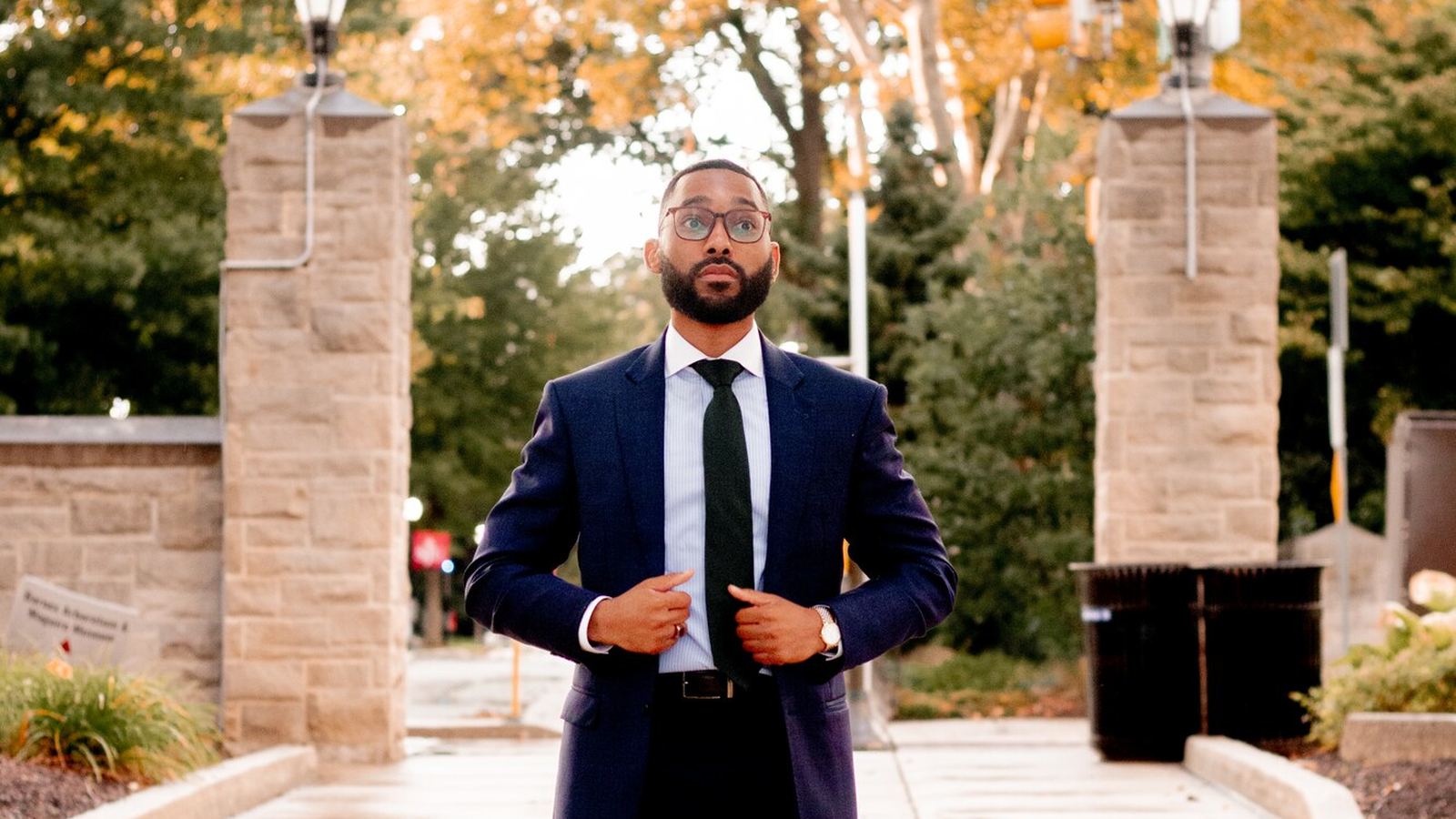
Attorney Prince Charles Yakubu

Common Questions

How does a license suspension appeal work, and what is the deadline?

A driver has 30 days from the mailing date of the PennDOT notice to appeal to the Court of Common Pleas — the home county for most suspensions, the county of arrest for refusals. A timely appeal of a suspension generally stays it, so the driver keeps driving until the judge rules. The 30-day deadline is jurisdictional, and late appeals are almost never heard.

How is the license appeal different from the criminal case?

They are separate proceedings. The license appeal is a civil case against PennDOT decided by a judge on a preponderance standard; the criminal case is prosecuted by the District Attorney and requires proof beyond a reasonable doubt. Winning one does not decide the other — a refusal suspension can stand even after a DUI acquittal.

What is an occupational limited license, and who qualifies?

An occupational limited license allows driving for work, study, and medical treatment during many suspensions; PennDOT decides petitions within 20 days. DUI, ARD, and refusal suspensions are not eligible — those drivers use the ignition interlock limited license, available immediately to most first-time DUI offenders. Neither limited license authorizes commercial driving. See PennDOT's website for the most up-to-date information.

What actually happens at the appeal hearing?

A common pleas judge hears the case without a jury. PennDOT introduces the certified driving record — and in refusal cases, officer testimony establishing reasonable grounds, a test request, proper warnings, and a refusal. We can cross-examine and present evidence, such as medical proof a breath test could not be completed or records showing the reported conviction or points are wrong.

This page provides general information about Pennsylvania law. It is not legal advice, and reading it does not create an attorney-client relationship. Every case is different — speak with an attorney about your specific situation.

Facing a charge related to license appeal? Speak directly with the attorney.

Call 484-944-0834
Free Consultation — Call 484-944-0834